
How I’m Leveraging Multiple Platforms to Build Six Income Streams
…and how I'm niching down without actually niching down.

This year, I stopped trying to “niche down” my business and started designing it.
Instead of forcing one identity or limiting myself to only one offer, I decided to build a system where each income stream serves a specific purpose, audience, and energy level.
Different skills. Different offers. Six streams of income… hopefully :))
Not all of them are fully fledged yet, so if you’re just starting out, don’t worry. I don’t have everything figured out either. Proof that this doesn’t happen overnight; it starts with one gig, one client, one experiment.
This is just where I’m evolving it to.
Okay, let’s peek behind the curtain:
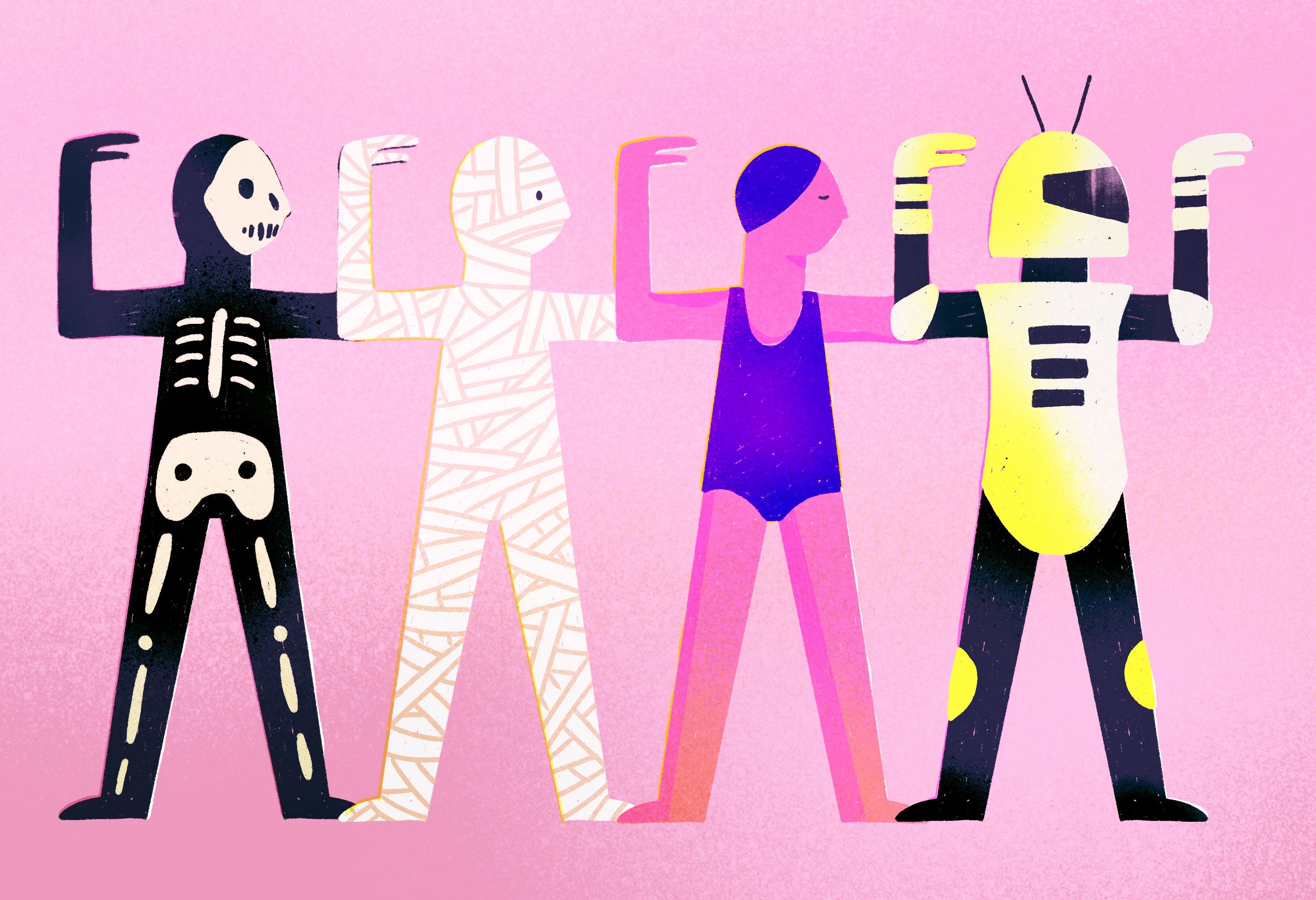
illustration by Adriana Danaila
Fiverr — The Cashflow Lab
What it is for me:
My fast-income, fast-validation playground.
I treat Fiverr like a creative lab where I can test ideas, offers, and price positioning before turning them into bigger projects elsewhere.
On Fiverr, I’m not selling Adriana the brand.
I’m selling specific creative solutions that people can buy easily and quickly.
What I’m offering:
Simple, clear, productized gigs — the kind that solve one small problem really well, and which can be scaled up with an upsell strategy.
Think:
“illustrated map with 10 landmarks” - easy to add more landmarks
“3 icons package for web and app” - easy to add more icons
Pros:
↳ Fast visibility and organic discovery (thanks to Fiverr’s search engine).
↳ Great for testing demand without a website or funnel.
↳ Once optimized, gigs keep bringing clients, without me applying to job posts.
Cons:
↳ Price-sensitive audience. Takes time to attract premium buyers.
↳ Creative fatigue if you overbook small gigs.
↳ Limited client relationships: it’s transactional by design.
How I’m using it now:
Because I’m still refining my style, I use Fiverr to test my many illustration styles before going all in and building a portfolio.
If something performs well on Fiverr, I’ll polish and raise the price on Upwork or offer it as a premium custom service for when clients approach me off-platforms.
Fiverr is my quick cashflow and data stream. Their analytics are truly helpful.
2. Upwork — The Authority Platform (kinda…)
What it was for me: my premium offers, bigger projects, deeper client relationships, and long-term collaborations.
Here, I show up as “Adriana The Brand Illustrator & Graphic Designer”. It’s where I’ve built my long-term relationships and got to do my most complex work.
Pros:
↳ Clients with bigger budgets and established brands.
↳ Reliable system for repeat work.
↳ Social proof (reviews, earnings, badges) that builds real authority.
Cons:
↳ Slower onboarding process — proposals, interviews, waiting.
↳ Platform competition (though lately, well-optimized profiles get boosted, even if new).
↳ Creative fatigue from scanning endless job posts looking for the right fit.
Lately, I’ve intentionally paused most of my Upwork activity. Instead of chasing projects, I’m testing what happens when I treat Upwork as a passive visibility platform, a place where my profile and portfolio do the talking.
I want to understand whether authority and profile SEO tweaks can still attract the right clients quietly, without proposals or constant activity.
Right now, traction feels slower, but that’s part of the experiment. I’m giving the algorithm (and my past results) time to speak for themselves.
For now, Upwork is my “quiet mode” test, not my main hustle, but an observation lab to see how visibility behaves when I step back.
3. LinkedIn — The Brand Engine
What it is for me:
My personal brand machine, the space where I share the mindset, business lessons, and humor behind my freelance career.
Here, I’m not selling illustration directly. I’m selling trust, expertise, and philosophy.
It’s where clients find me for collaborations, and brands approach me for sponsorships or speaking opportunities.
Pros:
↳ Organic visibility if you post consistently.
↳ Builds reputation beyond services.
↳ Creates inbound leads and partnership offers.
Cons:
↳ Requires consistency and authenticity, the space is crowded, but it’s full of opportunity for new, honest voices, especially creatives
↳ It’s slower to monetize unless you pair it with another offer (newsletter, courses, merch, etc.).
How I’m using it now:
I use LinkedIn to connect with other creatives, attract sponsorships, and grow my Substack audience. It’s also where I get to use my own illustrations strategically — not just as portfolio pieces, but as content.
When I post an illustration that explains a freelance truth or visualizes a business idea, it attracts the kind of clients who see the useful side of illustration, not just the aesthetic one.
LinkedIn is my visibility and influence stream.
4. Substack — The Thought Stream
What it is for me:
My writing and reflection space, a long-form home for everything I can’t fit into a LinkedIn post.
It’s where I explore the philosophy behind freelancing, art, and money.
The audience here is smaller but more interested and engaged.
Pros:
↳ Direct line to readers.
↳ Turns followers into a community that I actually own.
↳ Opens doors to future monetization (sponsorships, digital products, books).
Cons:
↳ Slow growth at first.
↳ Time-intensive: long-form writing needs focus.
↳ Not immediately profitable.
How I’m using it now:
Substack helps me brain-dump and structure my expertise into insights and potentially, future assets. Each post becomes the seed for something bigger: digital products, courses, collaborations, or education materials for freelancers.
Substack is my credibility and authority stream, the kind of place where thoughts mature into ideas, and ideas grow into opportunities.
The Next Phase: From Active to Passive
All these streams — Fiverr, Upwork, LinkedIn, and Substack — are active income.
They rely on me showing up, creating, replying, pitching, writing, and delivering.
And while I love the work, I don’t want to be permanently on call for my own creativity.
So my next focus is to start building passive income streams — things that can keep earning even when I’m offline or deep in another project.
I’m talking about:
Courses — turning my freelance systems into structured guidance.
Digital products — templates, resources, and creative toolkits.
Merch — art that sells itself.
Courses and digital products take time to build, they’re up-front effort, long-tail payoff. So my first step into this world is print-on-demand, because it’s fast to test and I already have a library of original assets, icons, and illustrations I fully own.
(If you missed it, I wrote a Substack post about intellectual property for freelancers — definitely worth checking out if you want to understand how to protect your creative work so you can monetize it later.)
5. Printful — The Leverage Layer
What it is for me:
My experiment in building creative assets that earn beyond client work.
I’m using Printful to turn some of my illustrations, especially the ones inspired by freelance life, into physical products.
Not as a full-scale “merch drop”, but as an experiment in creative autonomy.
Pros:
↳ Hands-off logistics: I design, they handle the rest.
↳ Lets me test new designs quickly without a big upfront investment.
↳ Adds a passive element to my income ecosystem.
Cons:
↳ Low margins unless you build a brand or audience around it.
↳ Still requires marketing — passive income isn’t passive at first.
↳ Needs patience and iteration.
How I’m using it now:
I’m experimenting with small themed collections tied to my content, think “Freelance Life” or “Gentle Hustling” targeting my LinkedIn and Substack audiences.
It’s my way of giving physical form to my brand and secretly, testing a new offer idea: custom illustrated merch for cool brands who actually want stuff people wear, not stash in a drawer.
So, I’m planning to use Printful as my brand enforcer and freedom stream — the part that might one day earn even when I’m not working. We’ll see what it takes to make it happen.
I’m building this in real time, so I figured: why not partner with the tool I’m actually testing?
Yep, this post is in partnership with Printful. But you know me, I only team up with platforms I genuinely use and see potential in. So no sugarcoating here: if this income stream flops, you’ll definitely hear about it. 😏
Here is an affiliate link if you want to test Printful for yourself .
Final Thoughts
Each platform reflects a different piece of me:
Fiverr → the fast problem-solver
Upwork → the top 1% professional
LinkedIn → the storyteller
Substack → the thinker
Printful → the product creator
I’m not trying to be the same person everywhere. I’ve tried that and it burned me out. I was losing all spark and joy by posting only illustrations and working only on illustrations all the time.
So now I’m building a portfolio of selves — each one designed to reach a specific audience, serve a specific purpose, and feed a different kind of income.
There’s no such thing as a perfect platform. But there are plenty of imperfect ones that can work together like gears in your creative machine, if you design them intentionally.
💬 For paid subscribers:
I’m starting a new chat thread where you can share your portfolios, and I’ll offer insights on which platform might be the best fit for you to approach first, based on your work, goals, and creative focus.
Stay creative ;)
Your Freelancer Next Door,
Adriana
A portfolio of selves is such a good way of describing this, thanks so much for sharing! :)